

The Best Photos For Your Best Friend
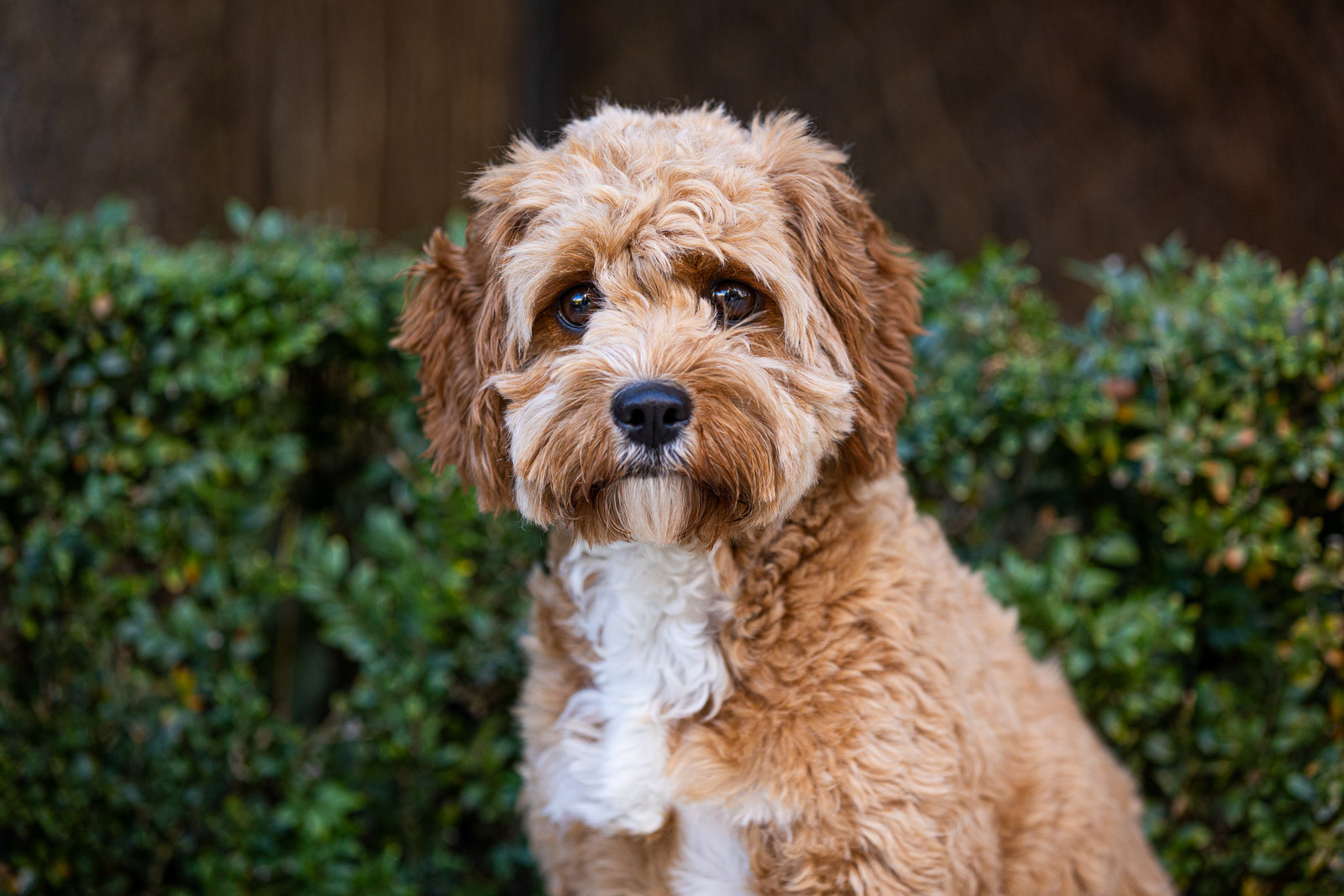
Your furry friend shows you love every day. Why not capture that love with a professional Brisbane pet photography session?
Professional Pet Photos

We bring you the best local animal photographers who are able to capture the individual personalities of your pets with stunning photos.
Tails of Time Pet Photography
Gabby at Brisbane’s Tails of Time Pet Photography is a dog lover with 4 Cavaliers of her own, finding pet photography after a statistics course destroyed her dream of a career in veterinary science.
If we’re honest Gabby, we reckon you had a lucky escape. After all, how many vets do you see playing and having fun with dogs – they’re mostly doing the less than fun stuff; but thank goodness someone is!
Pricing for Tails of Time photoshoot start at a very reasonable $99 for those on a budget, ranging up to more extensive 12 month long packages that cater for the developmental milestones over the first year of a puppy’s life.
Gabby says that her purpose with her pet photography is to capture all the love, sunshine and adventure of a life filled with fur.
Take a peek at her website and Instagram and you’ll agree she’s ticking all those boxes.
Zoo Studio
If you’ve seen a well lit studio shot with a brightly coloured parrot and a black background on social media, the chances are that it came from Brisbane based Zoo Studios. (If you check out their Insta feed you’ll see it’s mostly dogs, but the birds leave the lasting impression!)
Well known for their iconic black background studio shoots, they photograph all types of pets and do seem to have a good mix of species from dogs through to reptiles and birds.
We hear on the pet grapevine that they are making a foray into the busy Melbourne pet photography scene, but we’ll keep you posted on that.
Charlotte Reeves Photography
Brisbane’s most popular pet photographer Charlotte Reeves has to be one of the nicest people in the industry.
Not only is she a great photographer, but other photographers (who can be a prickly bunch!) respect her work and place in the industry.
With consistently good work which shows why she is always busy, she is generous with her photographic knowledge and time, often answering questions and leading discussions in photography forums and Facebook groups.
Charlotte was also one of the first big pet photographers to invest in the new Canon Mirrorless R5 cameras and share her experiences on YouTube which no doubt encouraged many other animal photographers to jump on board with the new cameras.
Her love of natural light is always evident in her Instagram feed, and is probably the special sauce that makes her images pop.
Hairypants Photography
Kelly, the owner and photographer at Hairypants says that she is pretty sure that she has the best job in the world as she gets to combine her two loves – photography and animals.
Specialising in photographing pets in natural settings, Kelly services the south east Queensland region and has a bundle of photoshoot locations up her sleeve to suggest once you have had your initial meeting to discuss what you would like to see in your pet photos.
Kelly always ensures that your dog has a great time during your shoot, even bringing treats and toys along to the shoot.
Frances Suter Photography
Although predominantly a boutique wedding and portrait studio Frances Suter also offers pet photography services and they’re just as good as everything else she and her team produces. She is also one of the few cat photographers in Brisbane.
With an award winning AIPP photographer at the helm, whether it’s weddings or pets you need photos of, you’ll be in safe hands.
As well as a fenced backyard that she can utilise, Frances also has a studio set up but can also shoot on location upon request.
John Muir Photography
Brisbane’s John Muir Photography aims to make your pet photography experience an absolute joy for both furry and human clients alike, tailoring the choice of location and style of shoot to best suit your needs and requirements.
Digital photo packages starting at just $390 represent great value and is perfect for those who love sharing their pooches antics on social media. Shoots without images start at $200.
BAC Photography
In business for over 10 year and with a studio in North Lakes, BAC Photography offer pet photos indoors at their studio or at outdoor locations in North Brisbane.
As a photography business they seem to focus primarily on newborn, maternity and family portraits, but as we all know pets are family too so the pet photography side of things looks like it fits in nicely with their business.
Pup & Co Photography
Lynn Tedjasukmana of Pup & Co provides modern on-location pet photography specialising in dogs and equine photography, with a creative fee of $199 for sessions.
Based in Forest Lake, QLD, Lynne serves Brisbane Southside, Brisbane Northside and the Gold Coast.
Camille Scott Animal Photographer
With a pet photography studio in Salibsury, Brisbane, Animal Photographer Camille Scott loves all animals, but especially dogs and has 30+ years of photographic experience.
Much of Camille’s work appears to be studio based and quite stylised, but she also offers sessions out on location at the beach, park etc.
Like most pet photo sessions, it also very much depends on the dog and what they are comfortable with. Camille’s style is unhurried and she likes to get to know the dog and let it relax in it’s surroundings before she picks up her camera.
Paw Prints Pet Photography
Serving Brisbane, Moreton Bay region and the Gold Coast, Amanda at Paw Prints Pet Photography says that she offers a ‘complete experience’, not just a photoshoot.
After spending time photographing wildlife in Africa, Amanda decided to follow her passion and offer her photography service to dog owners.
A confirmed animal-lover, every aspect of Amanda’s life involves dogs!
Click With You Photography
In business for over 10 year and with a studio in North Lakes, BAC Photography offer pet photos indoors at their studio or at outdoor locations in North Brisbane.
As a photography business they seem to focus primarily on newborn, maternity and family portraits, but as we all know pets are family too so the pet photography side of things looks like it fits in nicely with their business.
ME Pet Photography
Operating across Brisbane and South East Queensland, ME Pet Photography have honed their studio based look to give themselves a really distinctive style with an edge on quality.
The team at ME bring their portable studio setup with lights and backdrops to you or a location of your choice along with a selection of outfits if desired, enabling your pet to stay relaxed and calm in their own environment.
Leigh Horwood Photography
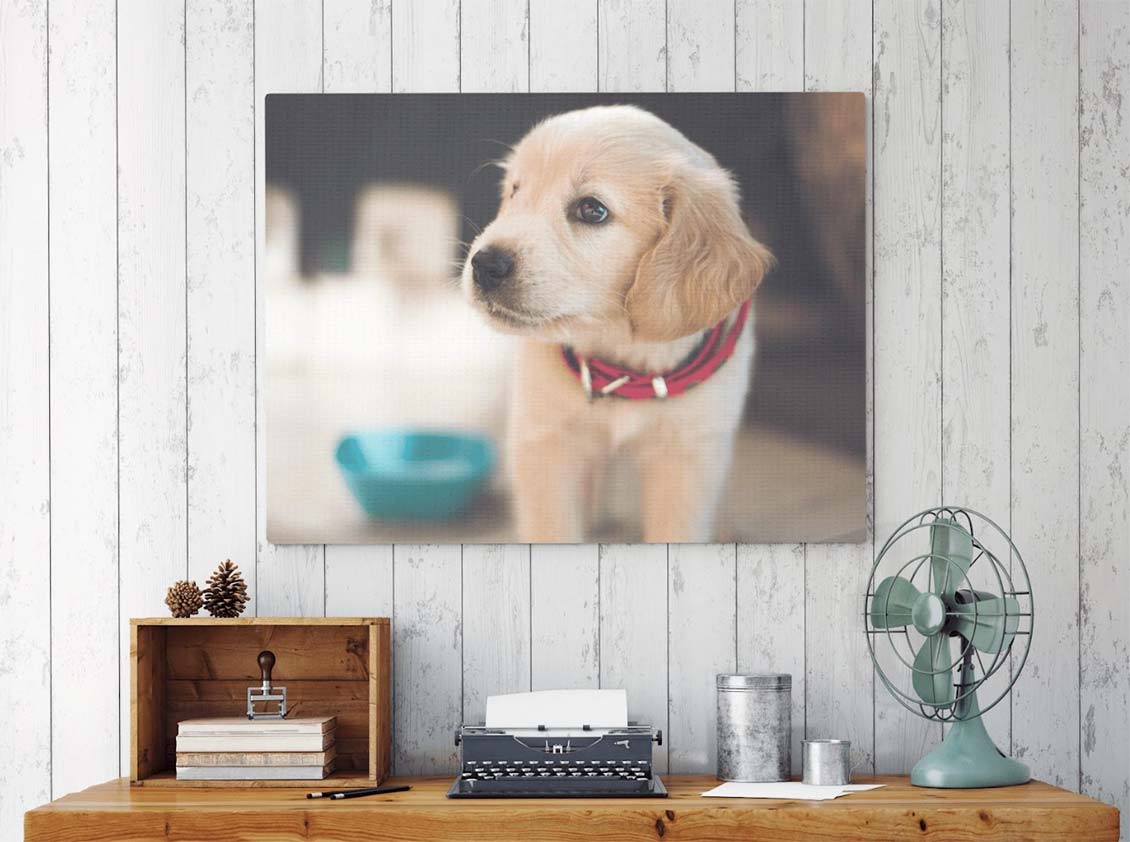
A professional studio photographer, Leigh Horwood is based out of Brisbane and has a passion for creating stunning works of art to adorn your walls, capturing the individuality of your pets and their personality to create that WOW factor.
K9 Photography
With a studio in Robina on the Gold Coast Diana at K9 Photography has created a relaxed environment for dogs and their owners to visit and be photographed.
As Diana readily admits, she loves to chat and will happily talk all day about her shared love of dogs if you let her!
Diana keeps the studio environment fun and enjoyable for your dog, encouraging some play and actions shots as well as more posed photos once the younger or more energetic dogs have expended a little energy.
Katrina Christ
Well known for her classic black and white family shoots, Katrina Christ also offers pet photos as part of her services, although from her socials and website it seems that she prefers family AND dog rather than solely dog portraits. Either way, they’re lovely photos!
Alison Cooke Photography
Alison Cooke is crazy about dogs, but is probably best known for her family, newborn and wedding photography, but whatever she is photographing she’ll always manage to grab a dog photo if there is a dog nearby.
When Alison’s own dog crossed the rainbow bridge, she was so grateful for the photos that had been taken of her enjoying time with him that she really encourages people to take as many photos of themselves with their beloved pet while they can.
Based in the suburb of Lawnton, Alison services the whole Brisbane region.
Alicia Creative
Based in Yeronga, Brisbane, Alicia Adamopoulos has a love of conceptual photography and composite work which has earned her many accolades over the years as well as plenty of work!
A self diagnosed crazy dog lady you can still find her attending dog shows and probably taking photos!
Smile & Wag Photography
Dog Mum of 3, animal lover and pet photographer, Kate at Smile & Wag loves to capture your pet as you know and love them, with a vision to create epic wall art that will bring a smile to your face every time.
Photo sessions start at $195 and take place in the great outdoors, enabling your dog can enjoy itself while Kate captures a series of beautiful images, creating memories that will live on in the wall art she then creates back in her studio.
J&A Pet Photography
Names after two Australian Shepherds, J&A Pet Photography is run by Brisbane photographer Bree.
With a love of the arts and all creatures, Bree’s animals are at the centre of everything she does and besides spending time with her own dogs, she LOVES photographing other people’s. As well as being a strong dog photographer, Bree also has a great skill for photographing horses too.
Gayle Marie Pet Photography
Serving Brisbane and the Sunshine Coast, Gayle Marie offers pet photos with a studio photography look, often with white or bright backgrounds.
She also offers pet branding photography for businesses selling pet products or services.
Expert Advice

Read some of our recent articles on pet care, animal photography and tips on how to start a pet photography business.
Professional Pet Photographers in Brisbane
Pet owners are able to trust their professional photographer to capture the personalities of their beloved companions. Being specialists in the field of animal photography, your photographer will know exactly how to pose your pet to capture the perfect photo.